Wednesday, 26th Oct.
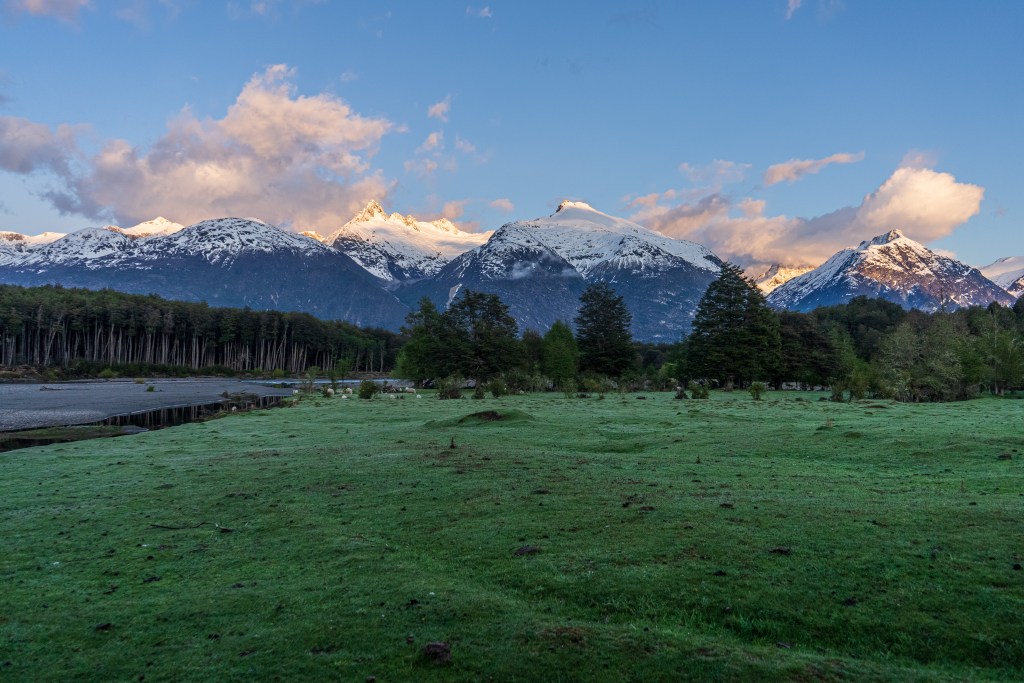
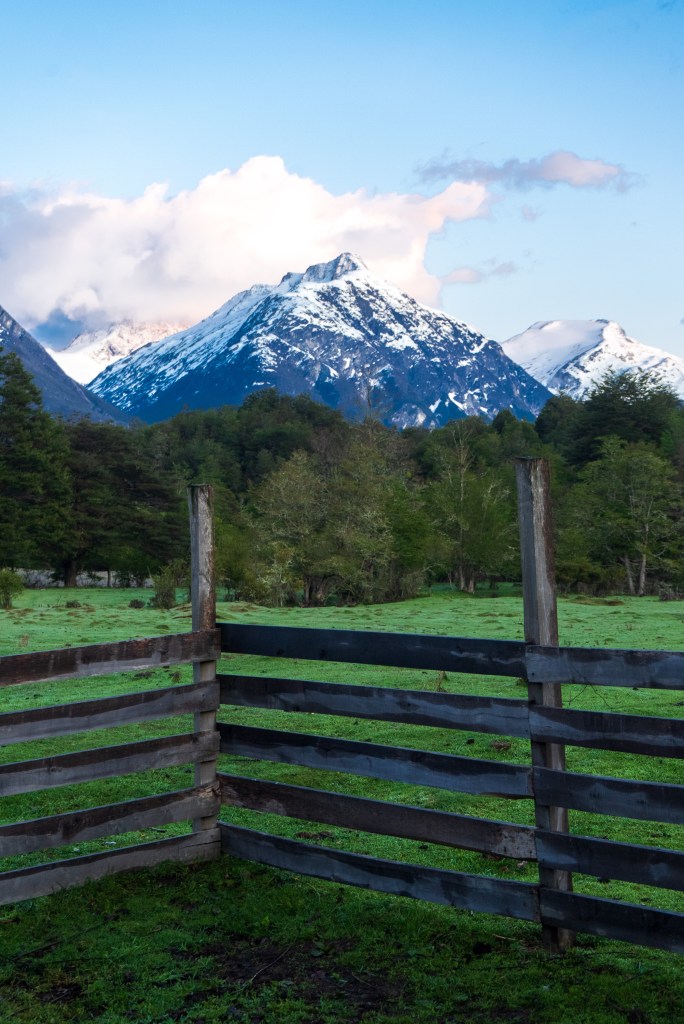
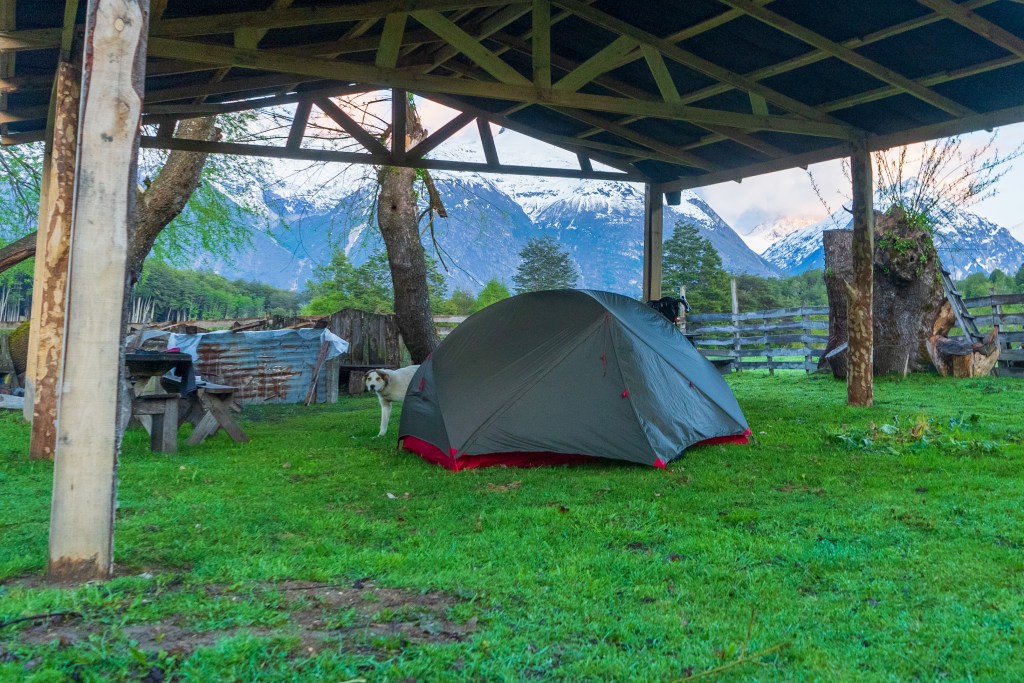
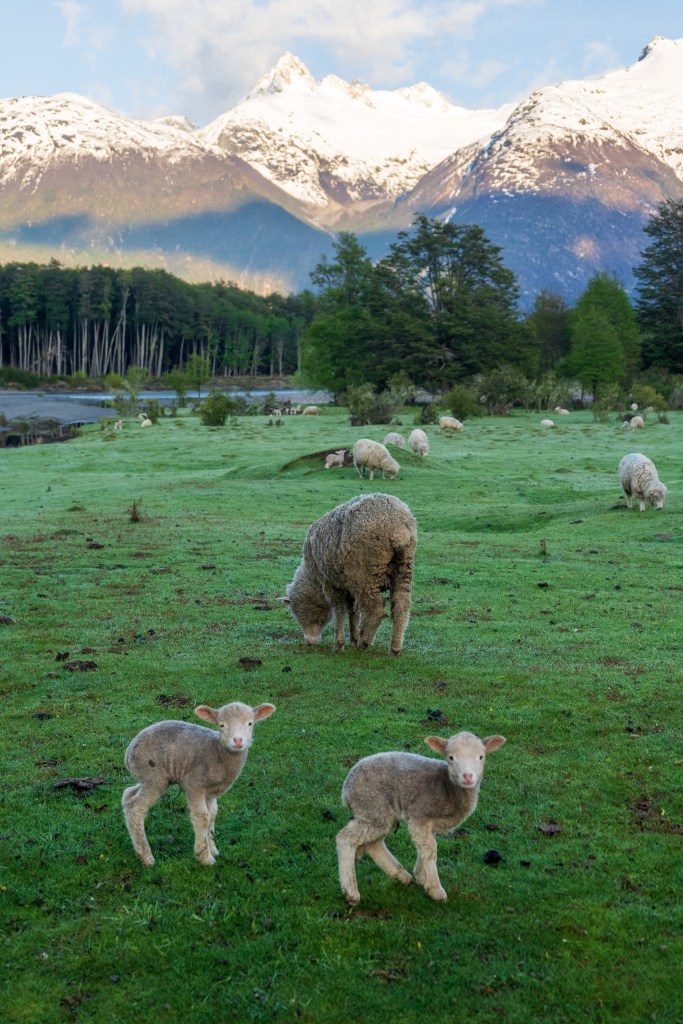
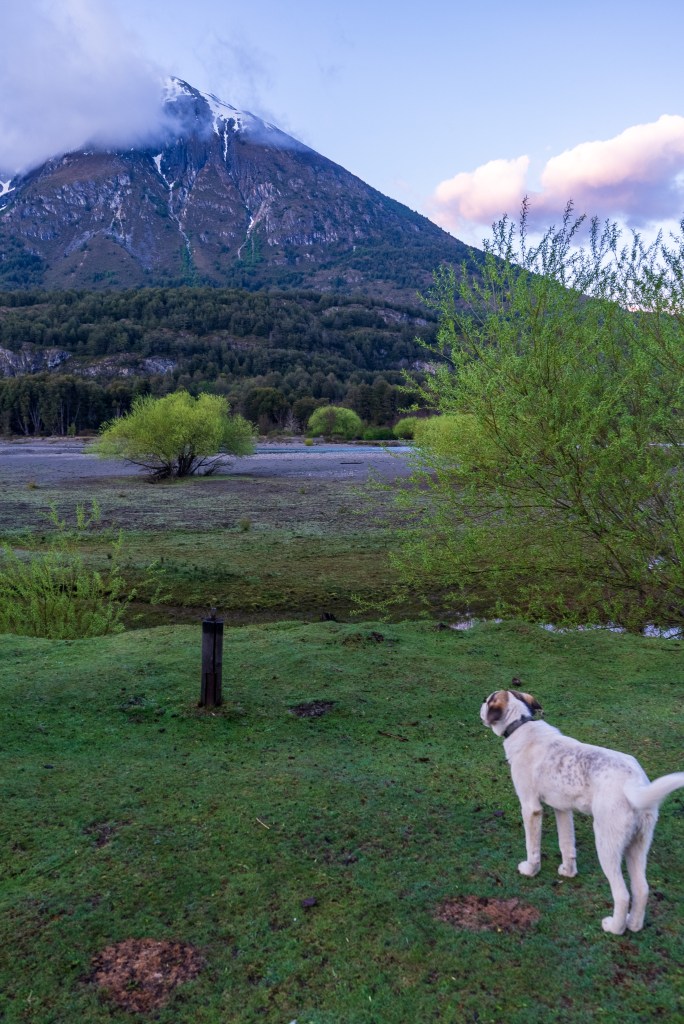
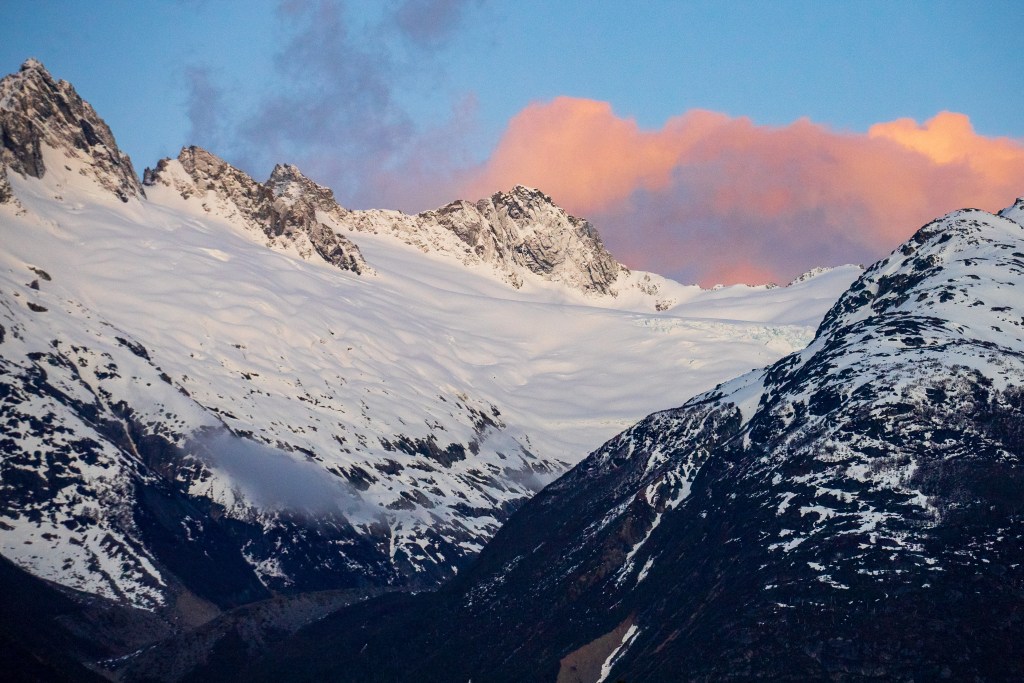
That morning the first thoughts through my mind as I woke up were of how stupid it was to lose my phone like that. I beat myself up about it until I got out the tent in time to see the sun hit the tops of the back row of mountains. “If I hadn’t lost my phone I wouldn’t have left the main road and come to this campsite and seen these mountains” I told myself. Maybe I was grasping a bit here to make me feel better but I soon accepted the loss and even felt some excitement about being disconnected for a while. Nonetheless it made my decision for me to get to the next town as soon as possible, there I could at least let people know I was going to be out of contact and assess what my options for getting a replacement were; the last phone shop I’d seen was back in Coyhaique a week ago.
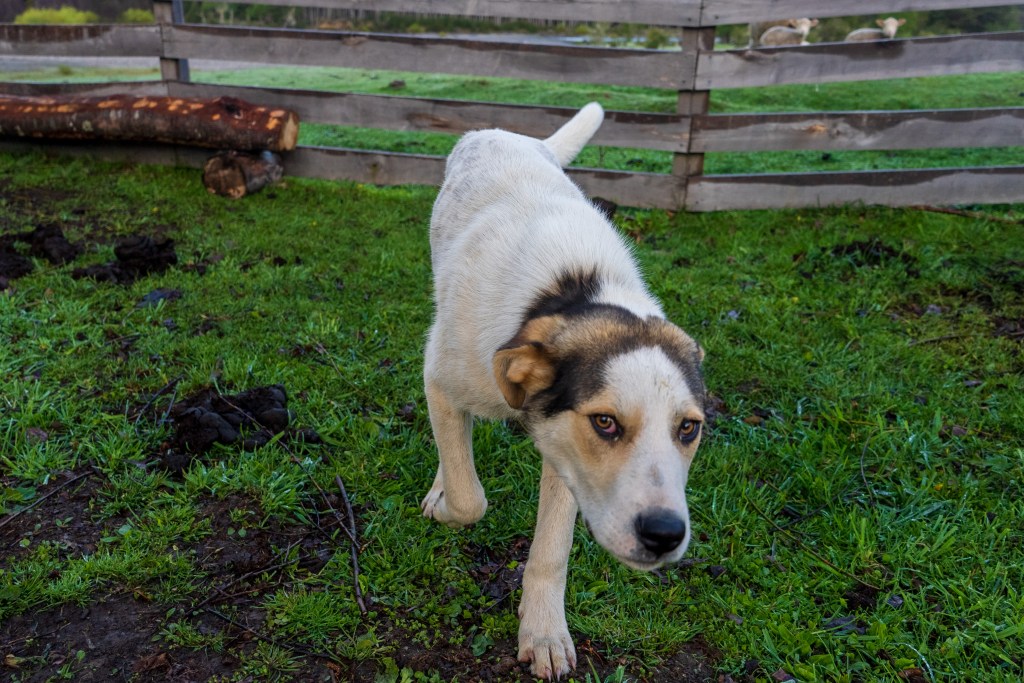
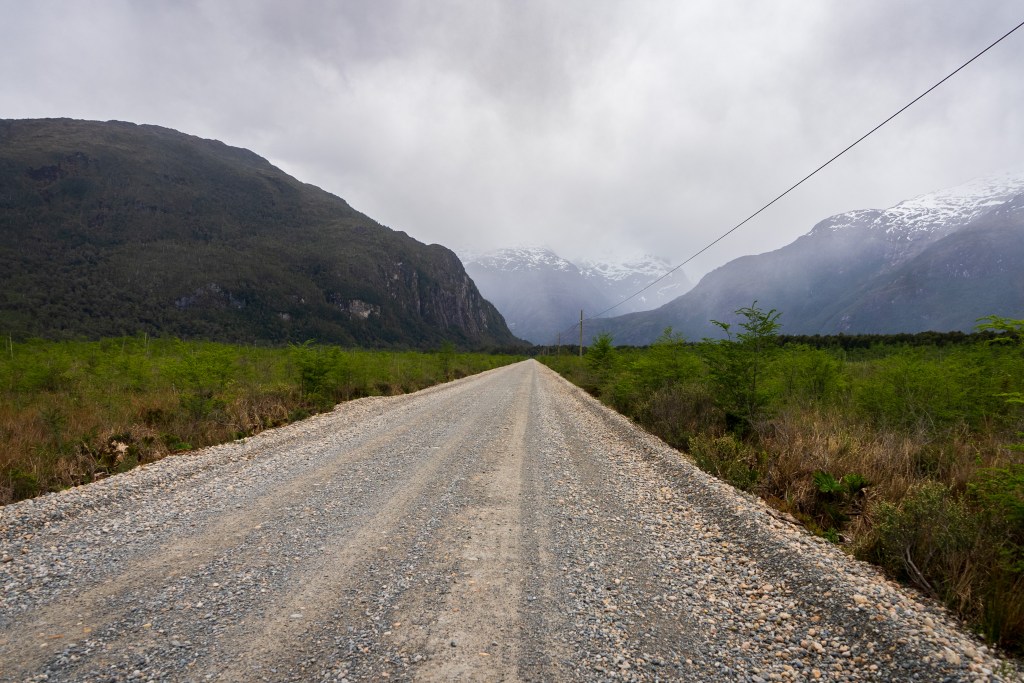
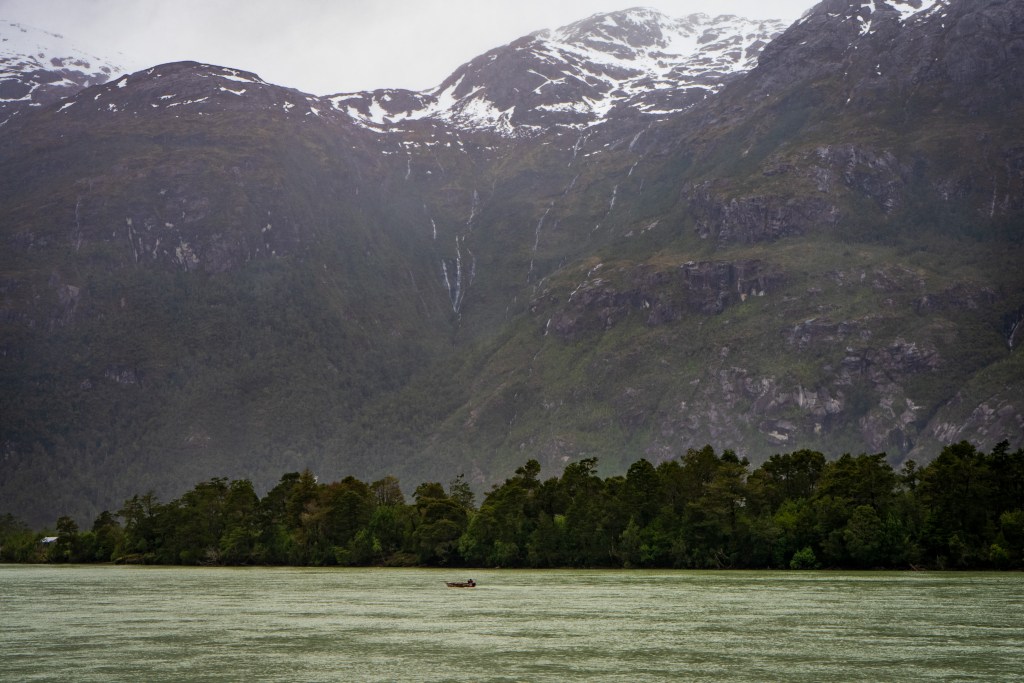
It was around 80km to Tortel though some new kinds of terrain. Lowland farms were separated by stretches of spacious woodland. Blankets of soft grass made lawns between the trees, lit yellow by shafts of sunlight and shadowed by the branches above. Occasionally a house could be spotted through gaps in the trees, corrugated metal roofs deep in the woods on the banks of some unnamed stream on its way to join the Río Baker. In parts these gentle woods grew into huge towers that reached up and over the road darkening it into a tunnel of thick grey trunks. At one point I passed the 1000km along the Carreterra Austral mark, the only indicator being the 1000.2km sign unceremoniously laying in the dirt. I stopped for lunch next to a steep-roofed store-house as the river came back to the road, its chalky green a little paler than in the canyons above Cochrane. A dog appeared form a nearby compound and lay right in the middle of my spread, inching her way closer and closer towards my food bag, hoping I wouldn’t notice.
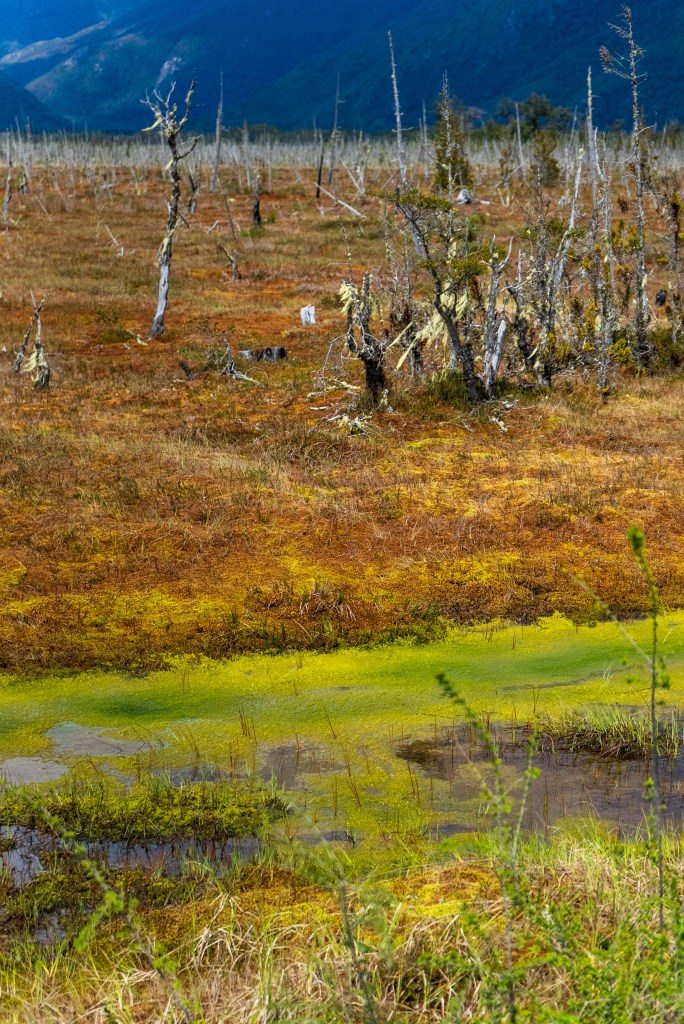
Tortel lies 20km down of a one-way fork off of the Carretera Austral. The approach left the woodlands behind and transformed into completely flat marshland that filled the river basin. Out of a floating orange floor dead wood spikes shot upwards where small trees had made purchase for a while, now pale grey and coated in moss. An eerie dead forest kept low by a thriving surface-level ecosystem. It felt completely exposed and the long straight road stretched out of sight. I was completely alone in a vast basin and let out a shout as loud as I could. Nothing, no echo, just a dead silence as the swamp and the space above absorbed the sound. I rode on, occasionally shouting out into the expanse.
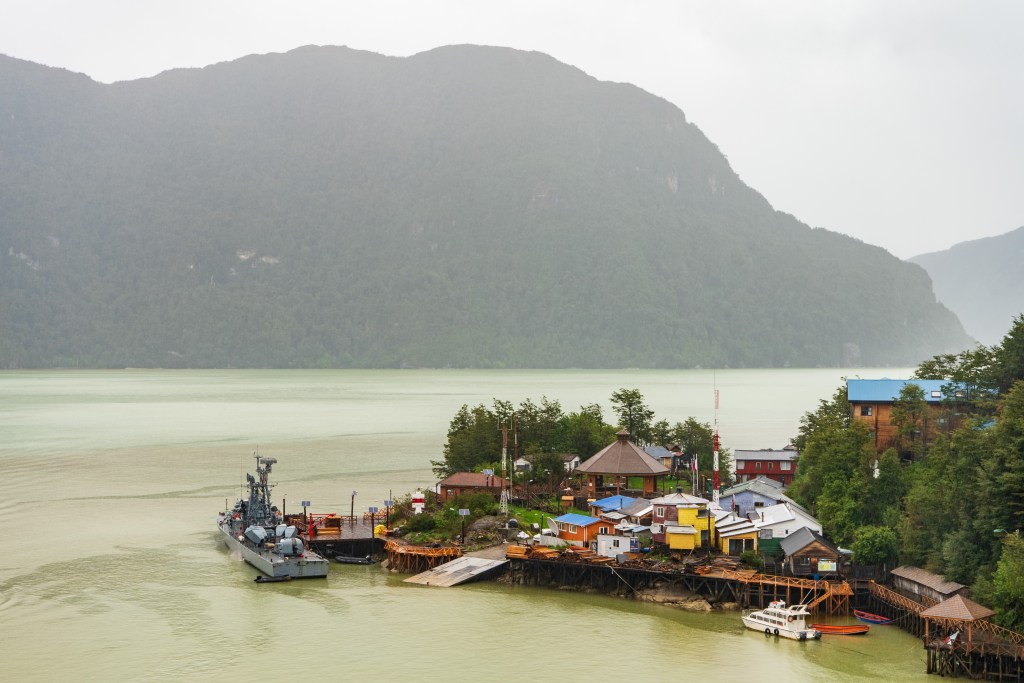
When I arrived at Tortel it was raining again. I reached the end of the road, a roundabout overlooking the bay in which the town is built. From then on Tortel is a car-free community. I awkwardly carried my bike down the 200 steps that take you down the hill to the water’s edge. Wooden walkways then spread out, up and around the otherwise impassable headland. The buildings that house the 500 inhabitants and all the tourists who come in the summer sit on stilts or wooden platforms, the hillside woodland forever growing through the gaps in the boards.
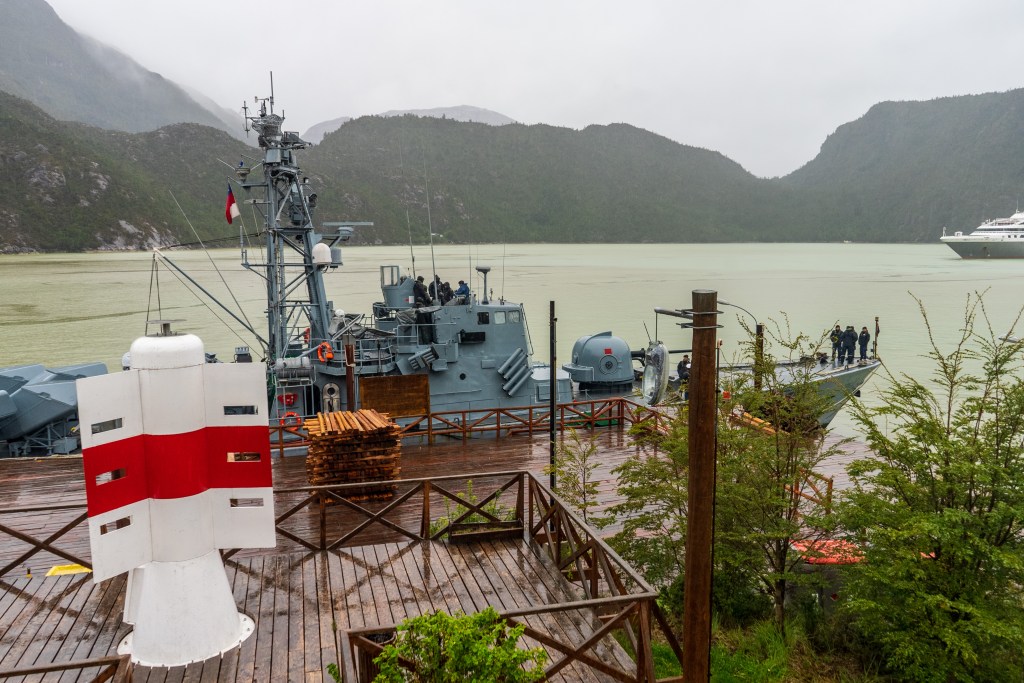
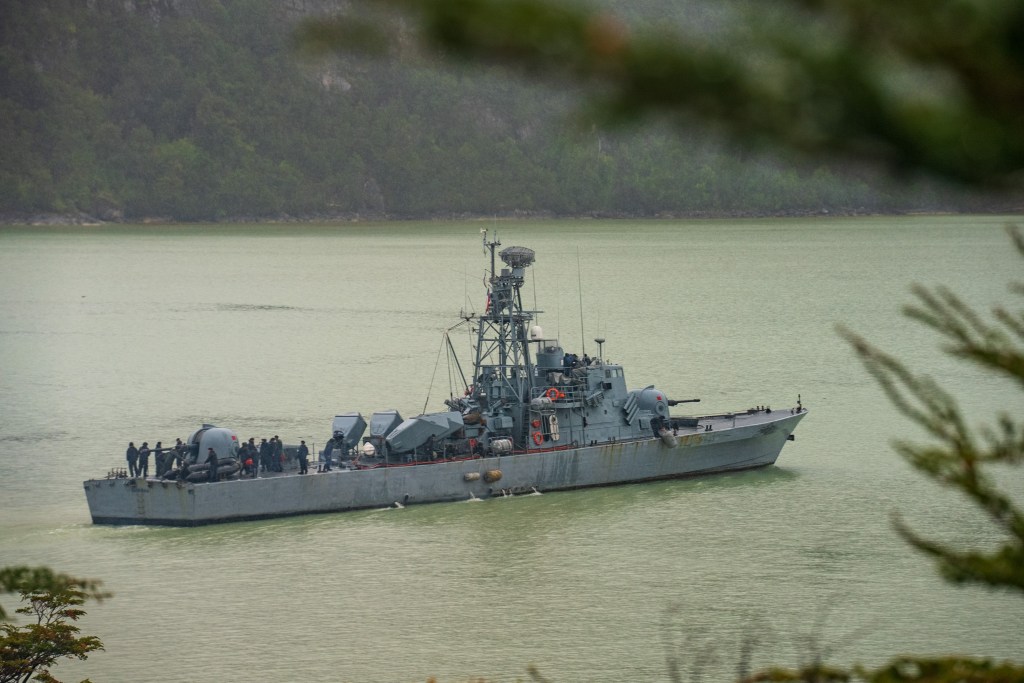
At the top of the stairs I’d met Jorge, a fluent English speaker who helped me arrange a room down my the water. We spoke for a while, he was in a the Chilean navy on a mission to Punta Arena in the south and was moored up around the headland for the night, he invited me to see the ship later on. Turned out he was the command officer of the Chipana, a 58 metre Israeli-built missile ship that had seen combat in the Yom-Kippur war before being sold to Chile. One of his officers saw me on the dock and escorted me on board where he and Jorge gave me the grand tour. They proudly showed me the bridge, the command room, the two guns and the four huge engines, as we passed the crew quarters and the kitchen I got a glimpse into the claustrophobic life aboard a ‘small’ warship. Jorge was in his 40s with three young kids and would be posted to this ship for a year. The other officer, Francisco, was younger and a year into a 4-year posting. He was keen to tell me about all the treks in the very south of the country. We stood outside Jorge’s cabin (the only individual room on board) and spoke about Chile, they were usually stationed in the north so we’re excited to navigate the fjords. They asked about my job and London and I told them about my journey and where I was going from here. As I was about to leave the officers handed me a commemorative coin and I jumped over the gap back onto the dock and into the rain. The next morning I saw the Chipana speeding off into the fjords from a viewpoint on the hill.

 Austral Spring